
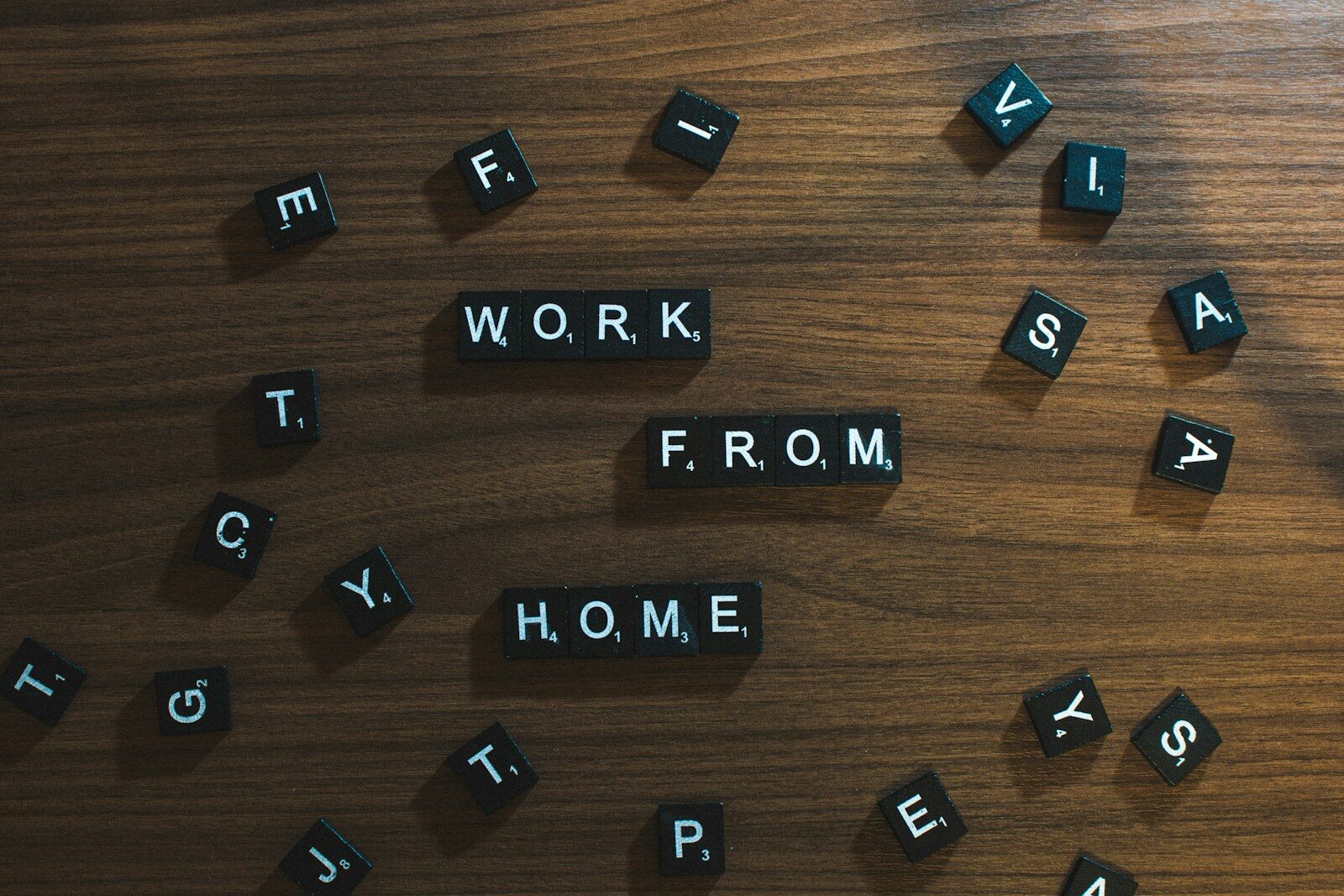
There’s an old country song called I Was Country When Country Wasn’t Cool. Over the years, I’ve jokingly borrowed that phrase and said, “I was remote before remote was cool.”
This week marks 25 years since I first moved my work computer equipment home and started working remotely. Back then we called it “telecommuting”. It was the last week of April 2001. At the time, I was living in middle Tennessee, but the rest of my team was in San Jose, California. Every workday, I drove about 45 minutes each way to an office where I sat in a cube, wrote code, and collaborated with my teammates by phone or instant message. One day it finally hit me that I was spending an hour and a half a day commuting to a building so I could do work that was already largely happening through a keyboard, a phone line, and an internet connection.
So I brought the office home.
My first home office was in the spare bedroom of our three-bedroom house. The setup was pretty serious for 2001: a Micron tower computer, two 21-inch CRT monitors, a VPN client, and what I thought at the time was a blazing-fast 3 Mb/s cable modem. I even paid to install a second phone line just for work calls. It still cost a lot less than the gas and wear-and-tear from that daily commute.
My manager’s take on the whole thing was simple and practical:
I have to pick up the phone to talk to you anyway, might as well be calling your house.
What’s interesting is that, in some ways, the core software engineering workflow really hasn’t changed all that much. Back then I had code on my machine, remote teammates, source control, and collaboration tools. Today the tools are dramatically better, faster, and smoother. I no longer need to fire up a VPN client because my employer has essentially extended the office network to my house through managed equipment. Video meetings are effortless now in a way that would have seemed like science fiction in 2001.
But at the core, the job is still the job. You still need talented, motivated people who can use the tools available to them to solve business problems. That part has not changed. What has changed is the surrounding technology and, in some cases, the willingness of companies to trust people.
I’ve worn a lot of hats over the last 25 years: individual contributor software engineer, self-employed contract developer, startup founder writing my own software, technical lead, and now engineering manager leading a remote team spread across the U.S. and Canada. If my career proves anything, it’s that the right people can be successful no matter where they sit.
One thing I learned early was that I needed to make sure the technology could never be used as an excuse to send me back to the office. I’ve been a geek most of my life, so I took that part seriously. If something broke, I fixed it. If the connection wasn’t good enough, I improved it. If there was a technical weak spot, I shored it up. I was determined that nobody would be able to point at my home setup and say remote work was the problem.
The hardest part in those first few months wasn’t the technology. It was stopping. I loved writing code. I loved solving problems. Without the commute home to act as a boundary, it was easy to keep going longer than I should have. Conversely, the biggest immediate upside was more time with family. At the time, our twin daughters were four years old, and working from home meant I got to see a lot more of them.
I also discovered something else pretty quickly: I felt better. I’m an ambivert, so office life was never unbearable to me, but losing the constant office hubbub and the random water cooler interruptions helped my productivity a lot. The first thing I remember about those early days was how quiet the house was when the family wasn’t home compared to the background noise of the office. I was working more hours in some ways, but I felt better overall.
A lot has changed in 25 years. My home office has gone through more versions than I can count. I started with a personal computer, a work computer, two giant CRTs, and analog monitor switches. Today I’ve got half a dozen computers around me, including Mac, Windows, Raspberry Pis, and five 32-inch LCD monitors. For the right kind of work and the right kind of person, it works extremely well.
Twenty-five years later, I’m still at it. I was remote before remote was cool, and I’m still convinced that, for me it was the right call.


Leave a Reply